
Resources: Human Rights Interventions for Health

Human rights interventions not only protect people’s rights, but they can facilitate better access to health care. They can be implemented throughout different country contexts and communities. Below are some sample resources for people interested in learning more about human rights programming in the context of health.
All resources are taken from third parties and all rights belong to the publishing entities. Unless noted otherwise, Article XII does not own the rights to these resources.

Programs to Remove Rights-related Barriers to Service Access

The Global Fund, one of the major global health funders, has published technical guidance on development and implementation of programs to remove human rights and gender-related barriers to accessing health services.
Technical Brief: Removing Human Rights-related Barriers to HIV Services
Technical Brief: Removing Human Rights-related Barriers to TB Services
Technical Brief: Removing Human Rights-related Barriers to Malaria Services

Human Rights in Prisons
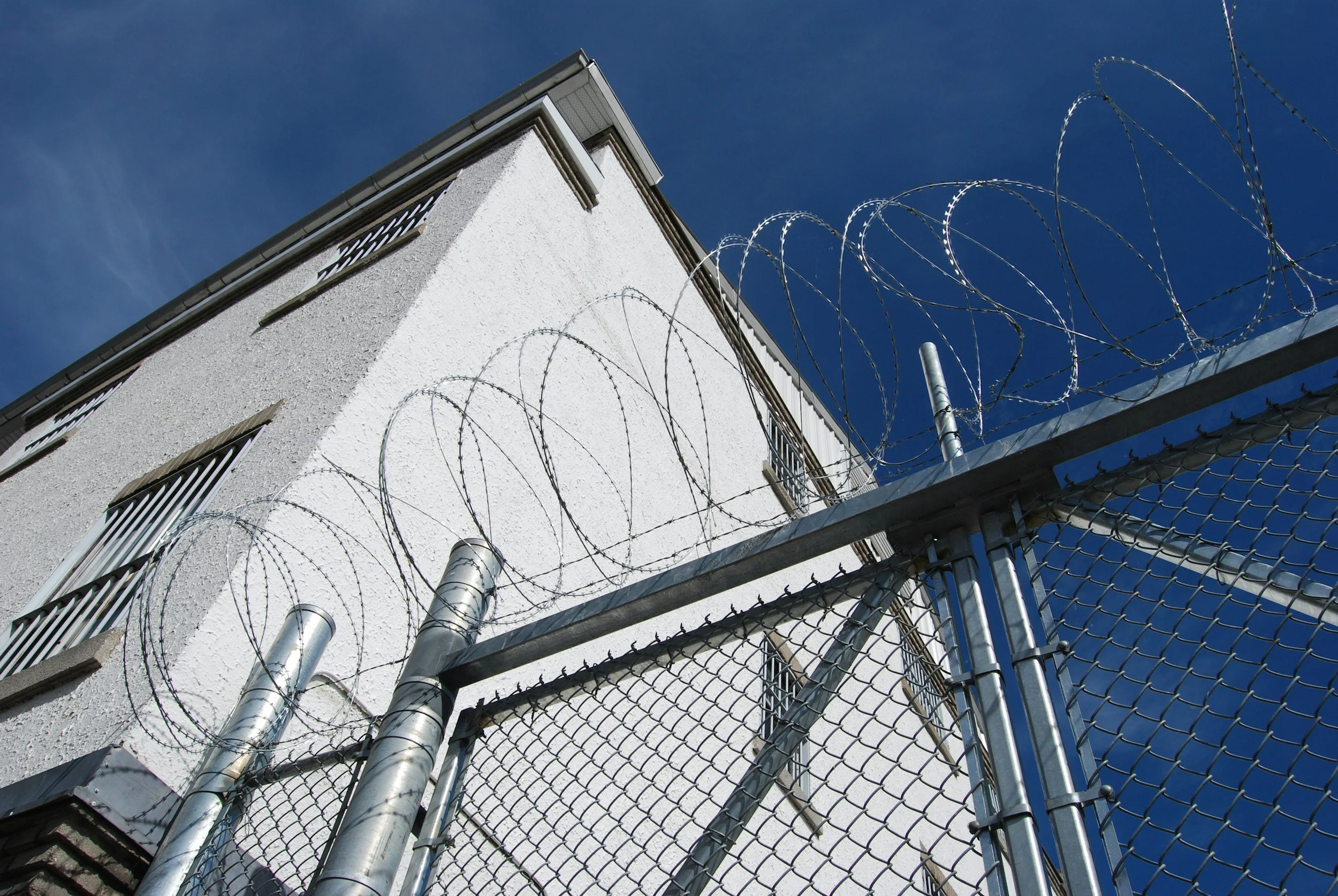
Prisons and other closed settings often require health and human rights programming, as people in prison and pretrial detention have the right to health services that are the equivalent of those in the community.
Harm Reduction International: HIV, HCV, TB, and Harm Reduction in Prisons
Stop TB Partnership: Engage & Empower - Supporting Access to TB Health Services for Prisoners and Other Persons Deprived of Liberty

Safety and Security for Human Rights Interventions

Safety and security interventions are incredibly important for human rights defenders and implementers of human rights-related activities.
PEPFAR, USAID, EpiC, FHI 360: Identifying, preventing, and responding to violence in HIV programs serving key populations
CSO WCA, FHI 360, Global Fund: Security Toolkit: Protecting Implementers and Improving Program Outcomes
USAID, PEPFAR, International HIV/AIDS Alliance, Linkages: Safety and Security Toolkit

Legal Literacy/”Know Your Rights”

Programs on legal literacy enable people to know their rights and the relevant policies and laws related to their health, and then to mobilize around their rights and advocate for their own needs.
South Africa Human Rights Toolkit: Facilitator’s Manual Participant’s Manual Handouts
International HIV/AIDS Alliance, AIDS and Rights Alliance for Southern Africa: Good Practice Guide - HIV and Human Rights
AIDS and Rights Alliance for Southern Africa: Training of Trainers Manual on HIV, TB, and Human Rights
Mozambique Ministry of Health, CNCS, Namati: Training Manual - Sensitization of Counselors (in Portuguese)
Mozambique Ministry of Health: Human Rights, Stigma and Discrimination Manual for the Healthcare Sector (in Portuguese)

Monitoring & Evaluating Human Rights Programs

It is important to development and implement systems to monitor and evaluate (M&E) human rights programs to understand whether such interventions are achieving their goals.
Global Partnership for the Elimination of all forms of HIV-related Stigma and Discrimination: Guidance - Monitoring and Evaluating Programs to Eliminate HIV-related Stigma and Discrimination in Six Settings
UNAIDS Guidance: Rights-based Monitoring and Evaluation of National HIV Responses
Frontline AIDS, GIZ, The Global Fund: A Practical Guide - Implementing and Scaling up Programs to Remove Human Rights-related Barriers to HIV Services - (EN) (FR)
USAID, Stop TB Partnership: Guide to Monitoring and Evaluation of Advocacy, Communication, and Social Mobilization to Support Tuberculosis Prevention and Care
Organizational Research Services/Annie E. Casey Foundation: A Guide to Measuring Advocacy and Policy
International HIV/AIDS Alliance: Advocacy in Action: a Toolkit to Support NGOs and CBOs Responding to HIV/AIDS
HIV/AIDS Legal Network: Advocacy and Social Justice - Measuring Impact
International HIV/AIDS Alliance: Measuring Up - HIV-related Advocacy Evaluation Training for Civil Society Organizations

Training for Law Enforcement

Law enforcement refers to police, judges, and parliamentarians/legislators who implement laws. Law enforcement officers are key to supporting access to health services and to protect all communities, including those experiencing poverty and marginalization, from discrimination and violence. Training for law enforcement is particularly important - it’s often hard to change laws but changing their enforcement can make a difference in how the law works in practice.
South Africa: Dignity, Diversity and Policing & Trainers’ Guide to Police Sensitization
Africa: HIV, TB, Key and Vulnerable Populations and the Law in Africa (EN) (FR) (PT)

Training for Health Care Professionals

Health care settings should be places of welcome, acceptance, care and support for all - thus, it’s important to train health care professionals to provide stigma-free care.
Cote d’Ivoire: Human Rights and HIV and TB Services - Training Modules & Participant’s Manual (in French)
LINKAGES: Health Care Worker Training
Indonesia: Training Module to Eliminate Stigma and Discrimination in HIV Service Provision (in Bahasa)
UNAIDS: Fast-Track and Human Rights